In modern fertilizer manufacturing, many producers seek to enhance the efficiency of carbon-based fertilizer production lines by optimizing raw material preparation. Among various organic sources, chicken manure, also known as bird manure or poultry dung, provides a rich and economical raw material for carbon-based fertilizer making. However, the direct use of powdered or loose chicken manure often causes uneven carbonization and low nutrient stability. Therefore, granulating chicken manure before carbon-based processing becomes a key procedure that improves the overall production efficiency, material handling convenience, and particle quality. This approach combines scientific raw material management with advanced fertilizer machinery, leading to a smoother carbon fertilizer production procedure.
Part 1: What Raw Materials Are Suitable for Carbon-based Fertilizer Production from Chicken Manure?
In carbon-based fertilizer production, chicken manure serves as a major organic component, but it usually needs to mix with other carbon-rich materials to achieve balanced composition and better granulation performance. Suitable raw materials include poultry dung, livestock manure, crop straw, sawdust, and powdered biochar. Each material contributes to different nutrient and carbon ratios. For instance, dry chicken dung mixed with fine wood powder can enhance carbon content and reduce moisture during granulation. When a fertilizer producer combines these materials properly, the carbonization furnace or carbonization equipment can operate more efficiently. The mixture also becomes more suitable for subsequent pelletizing or granulating stages. This stage of raw material preparation determines how evenly the carbonized fertilizer particles will form and how stable the carbon-based structure remains after processing.

Part 2: How Does Granulating Chicken Manure Improve the Char-based Fertilizer Production Procedure?
The granulating process transforms loose, powdery chicken manure into uniform pellets or granules, improving both material fluidity and carbonization consistency. During this procedure, the producer can use various granulator types, such as a disc granulator, a flat die granulator, or a double roller extrusion granulator, depending on the moisture level and composition of the manure. Granulation ensures that each particle maintains a balanced nutrient distribution, preventing uneven burning or carbon loss during the subsequent carbonization stage. Furthermore, granules dry faster and feed smoothly into carbonization furnaces or dryers, reducing energy waste and increasing production stability. Compared with powdered manure, granulated materials improve the efficiency of carbon-based fertilizer manufacturing by reducing dust loss and enhancing the mechanical strength of the final carbon fertilizer product.
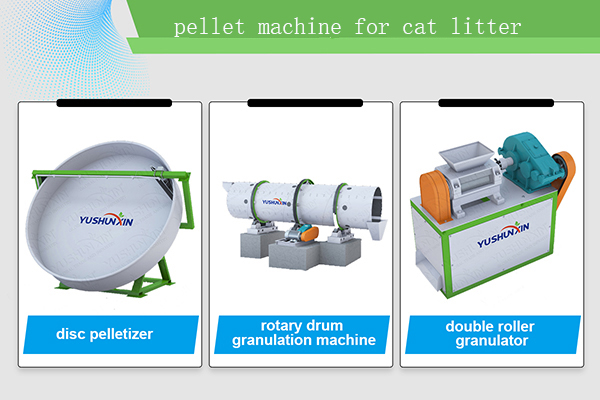
Part 3: What Machines Support Granulating and Carbon-based Fertilizer Production from Chicken Manure?
A complete carbon-based fertilizer production line may involve several key machines. A composting machine or fermentation equipment helps stabilize raw chicken manure before the granulation process. Then, a crushing machine or carbon fertilizer grinder machine for sale refines the powdery raw materials to a uniform size. After granulation, the drying machine reduces moisture and strengthens pellet hardness, while a packing machine completes the final stage of fertilizer preparation. During carbonization, the carbonization furnace or carbonization equipment converts organic granules into stable carbon particles, forming the base for high-quality char-based fertilizer. The integration of these machines allows the entire production procedure—from poultry dung treatment to carbon-based fertilizer manufacturing—to run efficiently and continuously, ensuring consistent particle size and nutrient content.
Overall Conclusion
The granulating of chicken manure establishes a direct connection between raw material preparation and efficient carbon-based fertilizer production. Through scientific control of particle size, moisture, and material composition, producers gain higher yields, lower energy consumption, and improved fertilizer quality. When each step—from crushing to carbonization—operates in coordination, the whole production line achieves stable operation and sustainable profitability. In this context, advanced organic fertilizer granulators and carbonization equipment play an essential role. A professional fertilizer equipment manufacturer—Yushunxin—provides comprehensive machinery solutions for chicken manure granulation and char-based fertilizer manufacturing, supporting producers in achieving efficient, clean, and profitable production outcomes. You can visit: https://www.charbasedfertilizermachine.com/product/chicken-dung-and-biochar-as-fertilizer/