Building a commercial fertilizer plant requires more than simply composting organic waste. Manufacturers today are looking for efficient ways to create value-added fertilizer products that combine the benefits of organic matter with balanced plant nutrition. A well-designed blending process can help producers meet market demand for customized fertilizers while improving production efficiency and product consistency.
Understand the Product Goal
Before purchasing equipment, it is important to define what kind of fertilizer you want to produce. Some markets prefer organic-based bulk blends for field crops, while others require nutrient-enriched fertilizer for horticulture or cash crops. In many cases, a blend compost fertilizer production project begins with identifying raw materials, target nutrient content, granule size, moisture level, and packaging requirements. This early planning stage helps determine the right process flow and machine configuration.
Prepare Compost as the Core Material
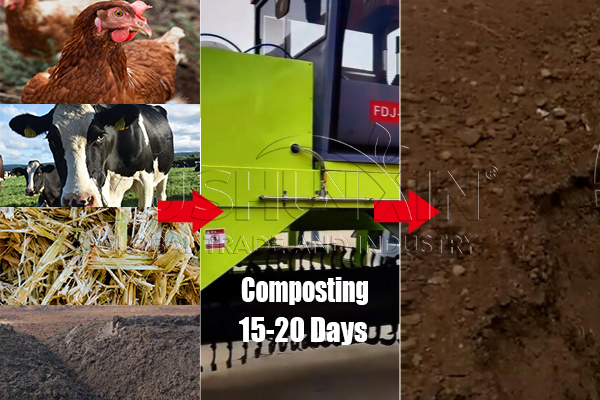
The foundation of the line is high-quality compost. Raw manure, agricultural waste, food waste, or green waste must be properly fermented and stabilized before entering the blending stage. Mature compost should have uniform texture, moderate moisture, and low impurity content. Screening is often necessary to remove oversized particles and ensure better mixing performance. Stable compost not only improves fertilizer quality but also protects downstream equipment from blockages and uneven feeding.
Design the Blending Process
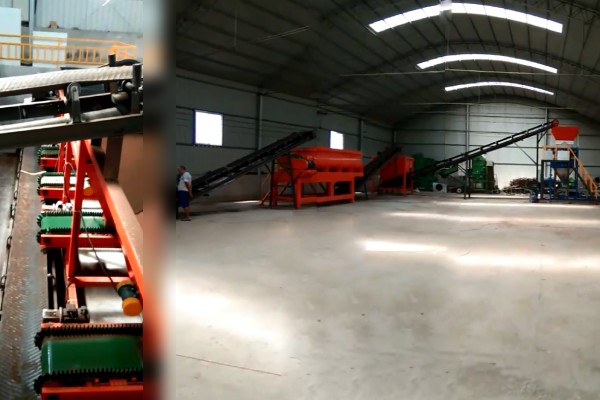
A complete compost fertilizer blending line usually includes compost crushing, screening, batching, mixing, conveying, and packing equipment. After screening, compost can be stored in bins and fed into a batching system together with other ingredients. Automatic weighing equipment is especially useful in commercial manufacturing because it keeps formulas accurate and reduces labor costs. The mixer should be selected based on output capacity and the physical properties of the materials. Horizontal mixers and BB fertilizer blenders are common choices for this type of production. Go here for more details.
Add Nutrients for Better Market Value
One major advantage of blending is flexibility. Producers can mix compost with NPK to make fertilizer that offers both organic matter and fast-acting nutrients. This type of product appeals to growers who want improved soil health without sacrificing crop performance. Depending on the market, it is also possible to mix compost with minerals to make fertilizer for specialized formulations containing calcium, magnesium, sulfur, or trace elements. These combinations allow manufacturers to serve a broader customer base with tailored nutrient solutions.
Consider Investment and Operating Expenses
For commercial planning, budget assessment is essential. The compost fertilizer blending system cost depends on plant capacity, automation level, raw material handling design, and the number of ingredients included in the formula. A small semi-automatic line may require relatively modest investment, while a large fully automatic plant with multiple storage bins, batching units, and packing systems will cost much more. In addition to equipment, businesses should account for installation, land, labor, power consumption, and maintenance.
Build for Long-Term Efficiency
A successful production line should not only work well at startup but also support future growth. Choosing durable equipment, reliable automation, and a flexible layout can help manufacturers expand product varieties later. With proper planning, a compost blending plant can become a profitable solution for sustainable fertilizer manufacturing in the commercial market. If you are interested in the project, you can visit https://www.mixedfertilizermachines.com/products/compost-mixture-fertilizer-production-line/