Before determining profitability, any investor needs to understand the compost granulation plant cost. This initial expense includes land, equipment, installation, and energy consumption. While costs vary depending on production capacity and technology level, it’s important to view them as a long-term investment rather than a one-time outlay. The efficiency, automation, and equipment quality of the plant will directly influence how soon the project starts generating returns.
Factors Affecting Payback Period
The profitability of a composting facility depends on several dynamic factors—raw material availability, production scale, market demand, and operational efficiency. The organic fertilizer granulation line cost also plays a crucial role because it determines the capital barrier for entry. If the machinery is energy-efficient, durable, and designed for low maintenance, the overall running expenses will decrease. In regions where organic farming is expanding rapidly, a compost granulation system can reach breakeven in as little as one to two years.
Choosing the Right Supplier
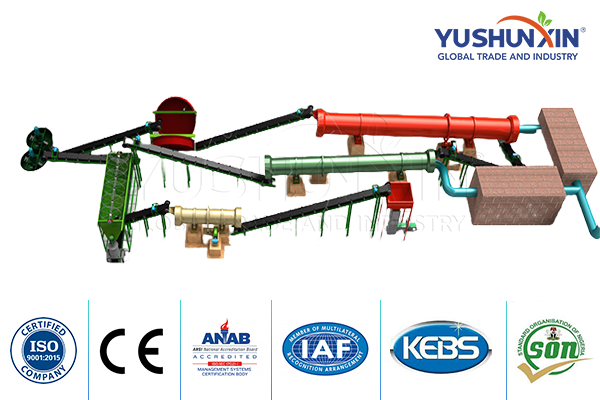
Selecting a reliable compost granules production line supplier can have a strong impact on ROI. A professional supplier not only provides equipment but also offers technical support, plant layout design, and cost control strategies. Reliable partners ensure stable operation, consistent granule quality, and reduced downtime, all of which are essential for improving productivity and achieving profitability sooner. Comparing multiple suppliers and asking for detailed project proposals can help investors make an informed decision. more details.
When the Plant Becomes Profitable
A profitable compost granulation plant is achieved when revenue from product sales consistently exceeds operational and maintenance costs. Typically, this occurs after reaching stable production and building a customer base of farmers, agricultural companies, or distributors. The profit margin depends on the selling price of compost granules, production efficiency, and logistics management. Many operators find that focusing on premium organic fertilizer products increases ROI more quickly than producing bulk, low-margin goods.
Strategies to Improve ROI
One effective approach to enhance returns is to reduce cost of compost granules making project through energy optimization, efficient labor allocation, and waste heat recovery systems. Utilizing locally sourced organic waste materials minimizes transportation expenses. Implementing automation for mixing and granulating processes reduces manpower and enhances consistency. In addition, seeking government incentives for sustainable agriculture projects can further shorten payback time.
Conclusion
In summary, a compost granulation project becomes profitable when careful planning aligns investment, production, and market demand. By managing equipment selection, operating expenses, and long-term sustainability, owners can achieve a strong ROI while supporting eco-friendly agriculture. Investing wisely today ensures that the compost granulation business not only recovers its cost but also grows into a stable and sustainable source of income. If you need precise quote, you can visit https://www.granulatedcompostsolutions.com/product/granular-compost-fertilizer-plant-cost/