Modern fertilizer manufacturing continues to evolve as environmental awareness and circular agriculture advance. In the field of carbon-based fertilizer production from chicken manure, machinery technology determines not only efficiency but also quality and sustainability. Chicken manure, as a representative organic raw material, contains rich nutrients such as nitrogen, phosphorus, and potassium. Through scientific carbonization, granulation, and powdered fertilizer preparation, producers can transform this waste into high-value carbon-based fertilizer. Future developments in machinery will emphasize energy efficiency, intelligent control, and precision production to ensure that each machine—from carbonization furnace to granulator—supports stable performance and consistent product quality.
What Raw Materials Are Suitable for Carbon-Based Fertilizer Production from Chicken Manure?
In carbon-based fertilizer manufacturing, chicken manure serves as the core organic ingredient. However, the efficiency of carbon-based fertilizer production depends on the combination of various carbon-rich and nutrient-balanced materials. Producers often mix chicken dung or bird manure with crop straw powder, sawdust, mushroom residue, rice husk, or powdered biochar to improve the structure and carbon content of the final product. These raw materials undergo a composting and drying process before entering the carbonization equipment, where high-temperature treatment converts organic matter into carbon powder. The resulting powdery, fine carbon material enhances the fertilizer’s porosity and adsorption capacity.
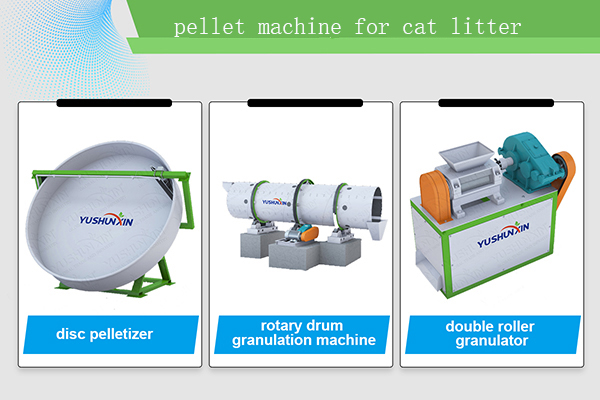
When chicken manure integrates with such materials, the granulating process becomes smoother, and the granules or pellets show higher uniformity. The mixture ratio and moisture control influence whether a disc granulator, drum pelletizer, or double roller extrusion granulator is appropriate. Therefore, future machinery design will consider flexible raw material input systems, automatic moisture detection, and real-time mixing technology to ensure that chicken manure-based raw materials create stable carbon-based granules.
How Will Future Machinery Improve the Chicken Manure Carbon-Based Fertilizer Process?
The production procedure of carbon-based fertilizer from chicken manure includes compost fermentation, crushing, carbonization, granulation, drying, and packaging. Each stage requires specialized equipment to maintain quality. The crushing machine or carbon fertilizer grinder prepares uniform powder, while the carbonization furnace converts organic matter into stable carbon. After that, the granulator—such as a flat die granulator, new type organic fertilizer granulator, or drum granulator—forms the carbonized powder into granules or pellets suitable for packaging and transportation.
Future carbon-based fertilizer machinery will focus on automation and clean energy utilization. Intelligent temperature and gas control systems in the carbonization furnace will enhance carbon yield and reduce emissions. Advanced powder feeding and granulating systems will keep chicken manure particles consistent in size and density. The integration of drying and cooling machines will shorten production cycles and improve energy use efficiency. Moreover, modular designs will allow users to customize equipment sets according to capacity, raw material type, and granule specification.
Such development trends enable the entire carbon-based fertilizer production line to operate continuously with minimal manual intervention. Equipment manufacturers will adopt corrosion-resistant materials and precise transmission systems to ensure long service life and stable particle formation.
What Are the Future Expectations for Granulation and Equipment Integration?
As carbon-based fertilizer markets expand, demand for standardized granule and pellet quality continues to rise. Future granulating machinery will adopt automatic feeding control, powder density measurement, and intelligent lubrication systems. The goal is to help producers manage the whole chicken manure carbon-based fertilizer manufacturing process efficiently. Additionally, the combination of pelletizing and drying machines allows the transformation from powdery carbon fertilizer to final granules in one continuous line.
Integrating carbonization, grinding, granulating, and packaging modules will reduce energy waste and ensure a consistent carbon content in each granule. The focus will move toward digital monitoring, data-driven quality adjustment, and environmentally friendly exhaust treatment. In this way, machinery for carbon-based fertilizer production from chicken manure not only improves cost performance but also supports sustainable agricultural development through resource recycling.
Conclusion
The future of carbon-based fertilizer production from chicken manure depends on advanced machinery, precise technology, and intelligent management. As equipment integrates automation, environmental protection, and high efficiency, producers can achieve better granule quality and stable carbon performance. Continuous innovation in carbonization equipment, granulators, and packing machines will help the carbon-based fertilizer industry maintain growth and competitiveness. A professional fertilizer equipment manufacturer – Yushunxin – continues to develop reliable solutions for chicken manure carbon fertilizer processing, offering users modern machinery to realize efficient, clean, and intelligent fertilizer production. You can visit: https://www.charbasedfertilizermachine.com/product/chicken-dung-and-biochar-as-fertilizer/