The process of pellet making converts raw chicken manure into carbon-based fertilizer through an integrated and systematic production procedure. Chicken dung contains abundant organic carbon, nitrogen, and microelements suitable for biochar-based fertilizer production. When the waste undergoes drying, crushing, carbonization, and granulation, it changes from an unstable organic residue into uniform pellets or granules with stable carbon content. This blog describes how the pelletizing process transforms chicken waste into valuable biochar and how advanced equipment ensures consistent quality.
Section 1: What Raw Materials Support Carbon-Based Fertilizer Production from Chicken Manure?
Chicken manure represents the main raw material for carbon-based fertilizer production because it contains high levels of organic matter, ammonia, and trace elements. However, producers often combine it with other materials to improve carbon structure and enhance pellet strength. Common auxiliary materials include rice husk, sawdust, crop straw, and powdered charcoal. The powdered and powdery structure of these materials supports even blending and efficient granulation. In addition, bird dung from other poultry or livestock waste with similar organic composition can also serve as supplementary feedstock. By adjusting the ratio of chicken waste and carbon powder, the producer can achieve optimal granule density during pellet making and ensure balanced nutrient release. Therefore, appropriate raw material selection directly influences the final quality of carbon-based fertilizer pellets.

Section 2: How Does the Pellet Making Process Convert Chicken Manure into Stable Biochar Pellets?
The procedure of pellet production for carbon-based fertilizer generally includes several stages—composting, crushing, drying, carbonization, and pelletizing. After the initial composting, the moisture content in chicken dung decreases and microbial activity stabilizes the organic matter. Then, a crushing machine or carbon fertilizer grinder machine reduces the powder particle size for uniform processing. The carbonization equipment or furnace transforms the organic matter into carbon-rich biochar at controlled temperature conditions. This step turns chicken waste into a stable carbon matrix suitable for fertilizer use.
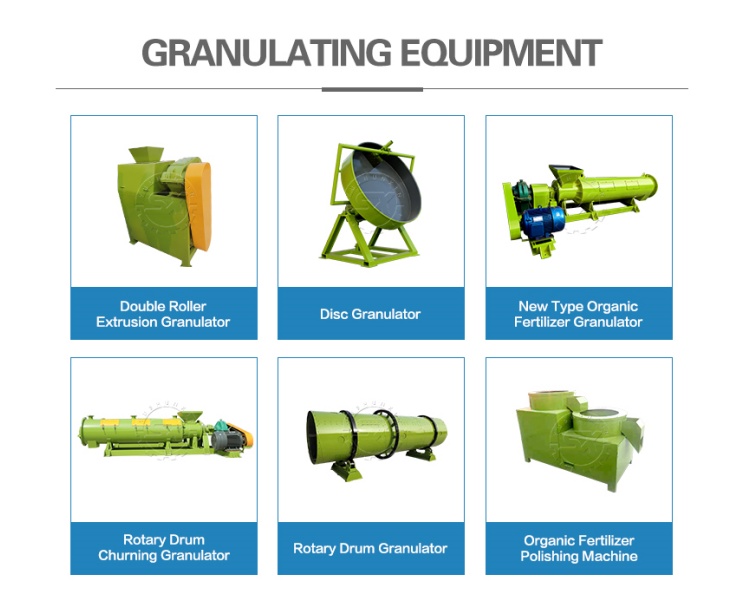
After carbonization, granulation machines such as a disc granulator, drum pelletizer, or double roller extrusion granulator form the powdered material into uniform pellets. Each pellet or ball shows consistent shape and hardness, which promotes easy storage and transportation. The pellet making machine ensures that each granule maintains balanced nutrient content and compact structure. Subsequently, drying machines reduce residual moisture and packing machines prepare finished carbon-based fertilizer pellets for market distribution. Through continuous and integrated production, chicken manure changes from waste into stable, carbon-rich fertilizer particles.
Section 3: Why Does Efficient Pelletizing Equipment Enhance Carbon-Based Fertilizer Production Quality?
Modern pelletizing and carbonization equipment determines both efficiency and product stability. Reliable machinery maintains uniform temperature, pressure, and pellet size throughout the process. For instance, a carbonization furnace supports consistent thermal decomposition, while a granulator regulates pellet diameter according to feedstock composition. The crushing machine or grinder ensures powder uniformity before granulation. Advanced control systems allow producers to monitor carbon content, moisture level, and granule hardness. A comprehensive pellet production line reduces manual handling, prevents nutrient loss, and improves energy efficiency.
Moreover, the combination of composting, drying, and packaging units allows flexible adjustment according to raw material characteristics. When producers handle chicken manure with these integrated machines, they achieve higher utilization rates and cleaner production environments. Through stable pellet formation, the final biochar-based fertilizer gains improved storage stability and controlled nutrient release, meeting both environmental and economic demands.
Conclusion
The conversion of chicken dung into carbon-based fertilizer through pellet making provides a sustainable pathway for waste utilization. The process combines carbonization, crushing, granulation, and drying machines into a continuous production system that maximizes resource efficiency. As producers select suitable raw materials and operate reliable pelletizing equipment, they transform chicken waste into valuable biochar granules with stable quality and high market value. For enterprises seeking professional solutions, a professional fertilizer equipment manufacturer—Yushunxin—offers comprehensive carbon-based fertilizer production machinery to support efficient and sustainable pellet making from chicken manure. You can visit: https://www.charbasedfertilizermachine.com/product/chicken-dung-and-biochar-as-fertilizer/